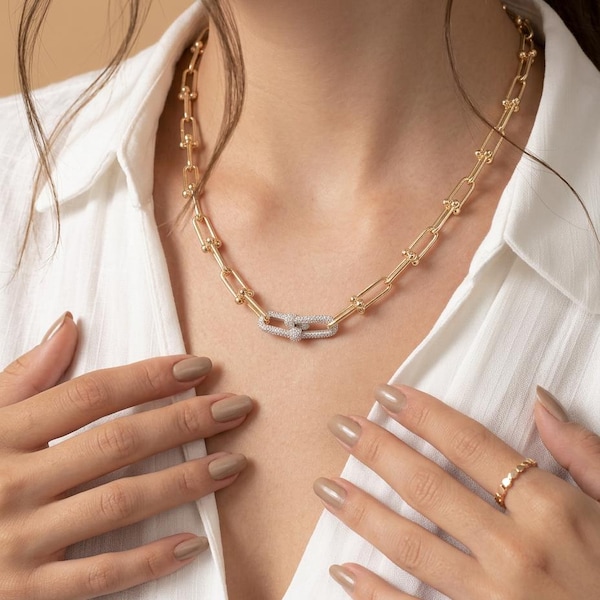
Winter Jewelry Styling: How to Wear Gold With Knits, Coats and Scarves
Winter jewelry styling tips for gold: what to wear with turtlenecks, chunky knits and coats, how to avoid snags, and caring for jewelry in cold, dry…

The main difference between 10K and 14K gold is gold content: 10K is 41.7% pure gold, while 14K is 58.5% pure gold. That makes 14K warmer in color, more resistant to tarnish and kinder to sensitive skin, while 10K is slightly harder and contains less gold.
Both are real, solid gold when sold as solid. The right choice depends on how you will wear the piece and what you value most. We make every piece in solid 14K gold stamped 585, and below we explain why, along with the honest case for 10K.
| Feature | 10K gold | 14K gold |
|---|---|---|
| Pure gold content | 41.7% | 58.5% |
| Common stamp | 10K or 417 | 14K or 585 |
| Other metals | 58.3% | 41.5% |
| Yellow color | Paler, more muted | Warmer, richer |
| Hardness | Slightly harder | Hard enough for daily wear |
| Tarnish resistance | Lower; can darken over time | Higher; rarely tarnishes |
| Sensitive skin | More alloy, more chance of reaction | Less alloy, generally better tolerated |
| Where it is common | Budget jewelry, class rings in the US | Fine jewelry in the US and much of Europe |
For a wider view of every karat from 9K to 24K, see our gold karat chart.
Karats measure gold in 24 parts. 24K is pure gold. 10K means 10 parts out of 24 are gold, which works out to about 41.7%. 14K means 14 parts out of 24, or 58.5%. The rest is an alloy of metals such as silver, copper and zinc.
That is why a 14K piece is stamped 585: it is a shorthand for 585 parts gold per thousand. Our guide to what 585 means on gold explains the hallmark system in more detail.
In practical terms, a 14K piece has roughly 40% more pure gold than a 10K piece of the same weight. That is a meaningful difference in both color and value.
One more point worth knowing: outside the United States, 10K is less common. The UK and several other countries use 9K as their lowest common gold standard and 14K or 18K for fine jewelry, so if you shop internationally you will see 14K and 585 far more often than 10K.
Gold's yellow comes from the gold itself, so the more gold in the alloy, the warmer the color. 10K yellow gold tends to look lighter and slightly brassy next to 14K. Side by side, 14K reads as the classic soft yellow most people picture when they think of gold jewelry.
For white gold and rose gold, the difference is less obvious because the alloy is designed to shift the color away from yellow. Even so, 14K rose gold usually has a softer, more balanced pink. If you are choosing a color, our yellow, white and rose gold guide and the new rose gold jewelry guide are good next reads.
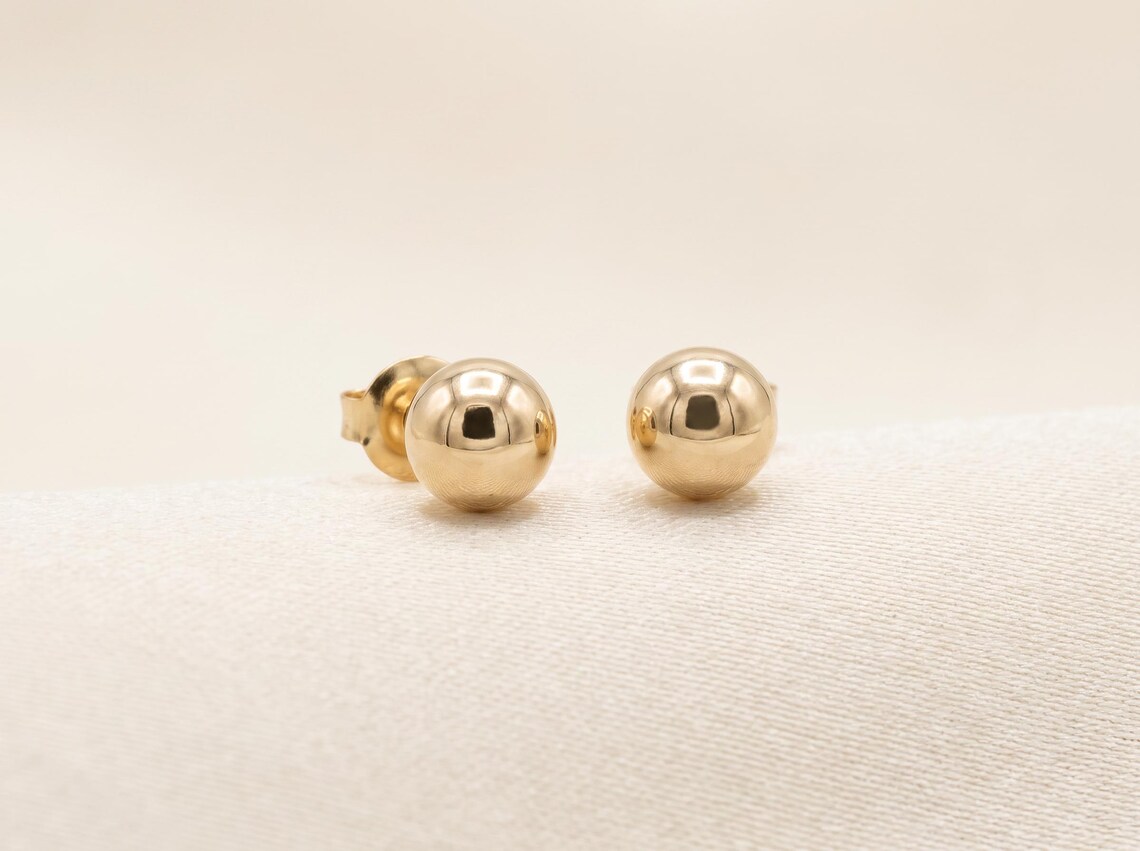
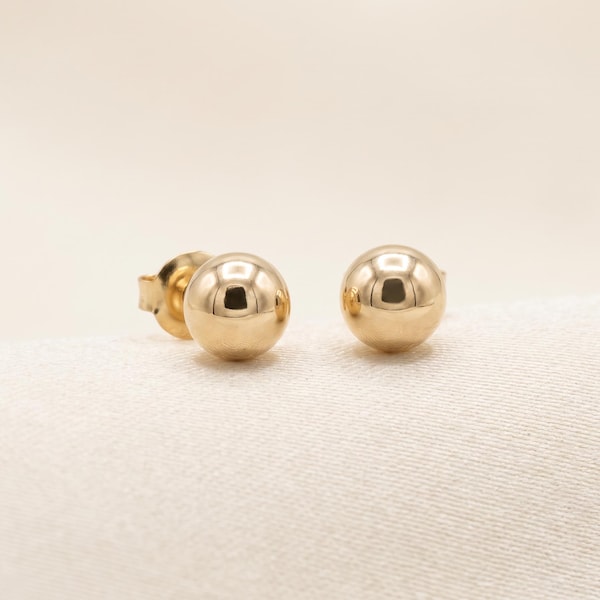 Ball Stud Earrings
View Ball Stud Earrings on Etsy
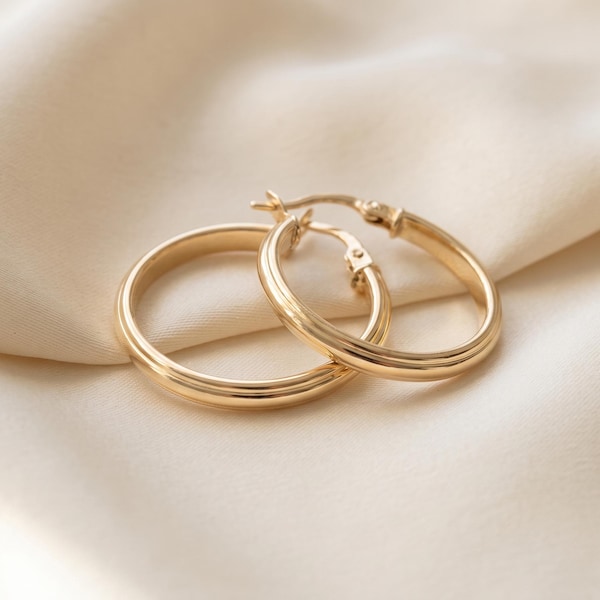
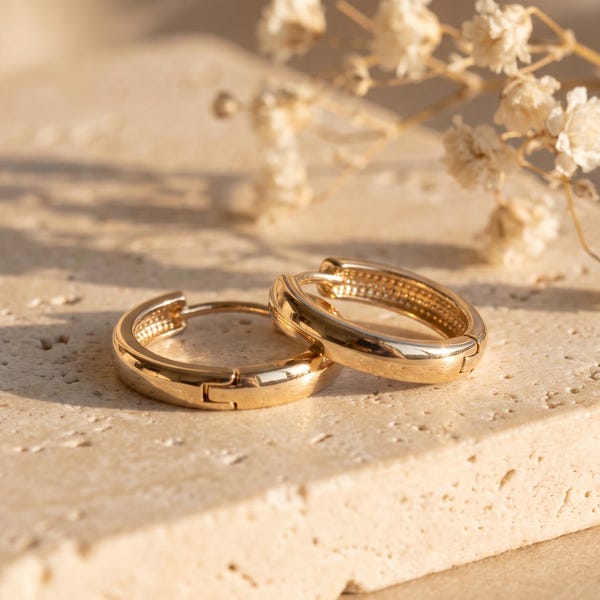 Huggie Hoop Earrings Thick Domed Band
View Huggie Hoop Earrings Thick Domed Band on Etsy
10K is slightly harder than 14K because it contains more of the harder alloy metals. That can mean fewer surface scratches on a ring that takes a lot of knocks. This is the strongest honest argument for 10K.
But hardness is not the only part of durability. 14K is still hard enough for rings, chains and bracelets worn every day, and its higher gold content helps it resist tarnish and corrosion better. A well-made 14K chain with solid links and a strong clasp will usually outlast a poorly made 10K chain. Construction matters as much as karat.
Pure gold does not tarnish. The alloy metals, especially copper and silver, are what react with air, sweat and chemicals. Because 10K is more than half alloy, it is more likely to darken slightly or leave a mark on the skin over time. 14K, with less alloy, rarely tarnishes in normal wear. Our article on whether 14K gold tarnishes covers the details.
The same logic applies to sensitive skin. People who react to jewelry usually react to an alloy metal, often nickel, rather than to gold. More gold means less of everything else, so 14K is generally the safer choice. If skin sensitivity is a concern, read gold jewelry for sensitive skin before you buy.
Since we never discuss prices, think of value in terms of material and craft. A 14K piece contains more pure gold than a 10K piece of the same size and weight, so it holds more intrinsic gold value. The labor to make the piece is similar for both, which means the gold content is where most of the difference lies.
For a full explanation of the layers that make up the value of any piece, see why gold jewelry costs more than scrap gold.
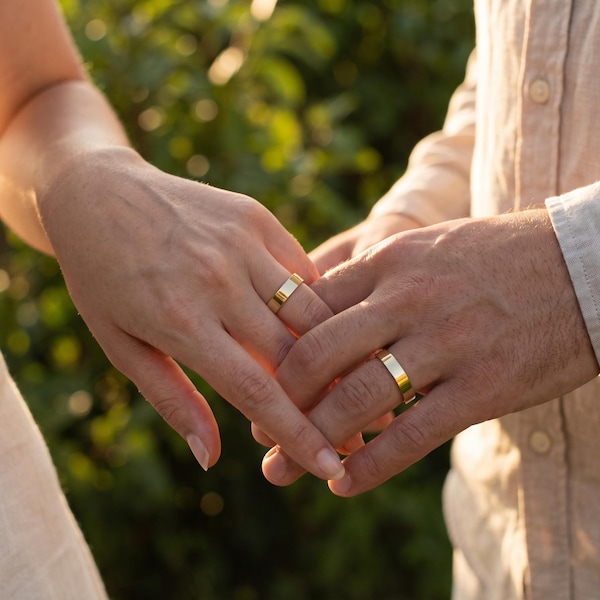 Flat Wedding Band Polished Ring for Him and Her
View Flat Wedding Band Polished Ring for Him and Her on Etsy
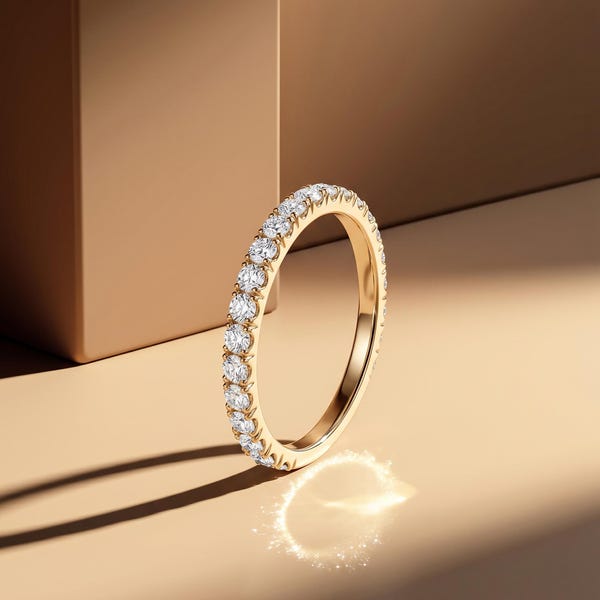 Half Eternity Ring
View Half Eternity Ring on Etsy
As goldsmiths in Istanbul's Grand Bazaar, we chose 14K for every piece because it balances the things our customers care about:
Every piece is solid 14K, stamped 585, never plated, gold-filled, vermeil or semi-hollow. If you are also weighing up a higher karat, our comparison of 14K vs 18K gold is the natural next step. You can see the range in our gold rings and gold earrings.
Yes. 10K gold is real gold alloyed with other metals, and it contains 41.7% pure gold. In the United States it is the lowest karat that can legally be sold as gold.
Side by side, 14K yellow gold usually looks warmer and richer. On its own, the easiest way to tell is the stamp: 10K or 417 for 10K, and 14K or 585 for 14K.
Both work, but 14K is the more common choice because of its richer color and better tarnish resistance. Our ring size guide helps you get the fit right.
It can for some people, because 10K contains more copper and other alloy metals that react with sweat. 14K is less likely to cause discoloration.
No. Every Şerif Ağa piece is solid 14K gold stamped 585. We chose 14K for its balance of color, durability and tarnish resistance.
Share:
Winter jewelry styling tips for gold: what to wear with turtlenecks, chunky knits and coats, how to avoid snags, and caring for jewelry in cold, dry…
Why gold jewelry costs more than scrap gold: weight, alloy, labor, finishing and stones explained by third-generation Grand Bazaar goldsmiths. Read t…
Paperclip chain guide from Grand Bazaar goldsmiths: how the long links are made, how strong they are, tangle risk, styling ideas and simple care tips.