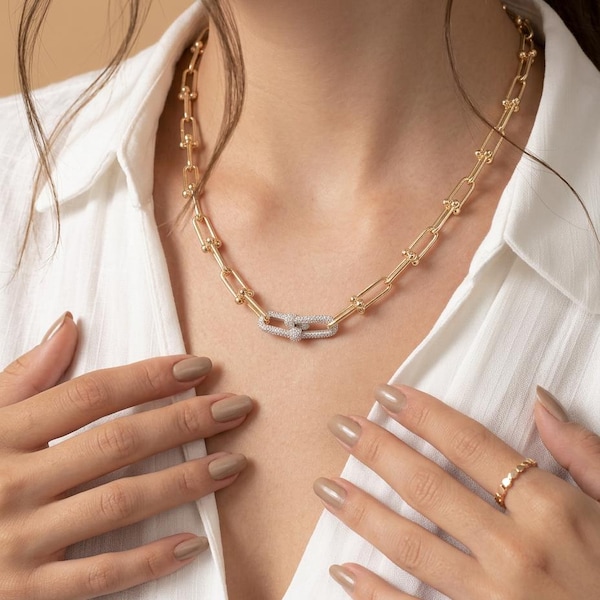
Paperclip Chain Guide: How to Choose, Wear and Care for Solid Gold
Paperclip chain guide from Grand Bazaar goldsmiths: how the long links are made, how strong they are, tangle risk, styling ideas and simple care tips.

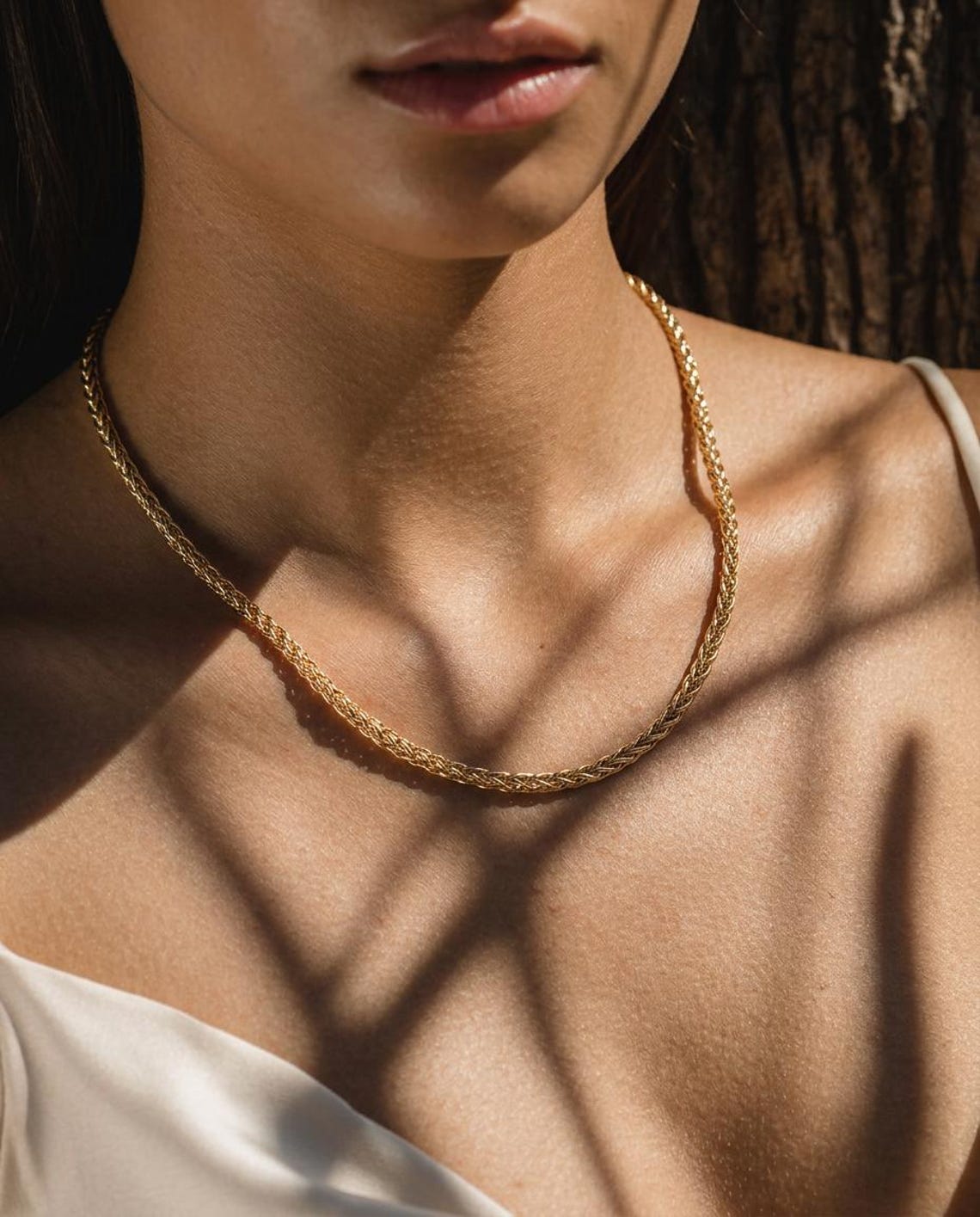
Gold jewelry costs more than scrap gold because scrap value only counts the pure gold that can be melted out of a piece, while a finished piece also carries the alloy work, the goldsmith's hours, the finishing and any stones. Scrap is metal waiting to be refined; jewelry is metal that has already been designed, cast or chained, soldered, polished, checked and set.
As third-generation goldsmiths in Istanbul's Grand Bazaar, we hear this question often. Below we walk through each layer of value in plain terms, so you can judge any piece of gold jewelry, ours or anyone else's, with a clear eye.
When a buyer looks at scrap gold, they care about two numbers only: how much the piece weighs and what percentage of that weight is pure gold. A 14K piece is 58.5% pure gold, which is why it is stamped 585. Everything else in the piece, the copper, silver and zinc that make up the rest of the alloy, the shape, the polish, the clasp, the stones, counts for little or nothing in a melting pot.
Scrap buyers also have to pay a refiner to separate the gold from the other metals, so they rarely offer the full value of the pure gold content. That gap is normal and is not a trick. It simply reflects that melted gold has to travel back through refining before anyone can make something with it again.
If you want a refresher on what the karat stamp means, our guides to what 585 means on gold and the gold karat chart cover it in detail.
Think of a piece of jewelry as scrap gold plus five layers of work and material. Each one adds something real.
| Layer | Counted in scrap value? | What it adds to jewelry |
|---|---|---|
| Gold weight | Yes, pure gold content only | The raw material and the feel of the piece in your hand |
| Alloy | No | Color, hardness and durability for daily wear |
| Labor | No | Design, casting or chain making, soldering, assembly |
| Finishing | No | Polish, diamond-cut facets, texture, stamping, quality checks |
| Stones | Usually no | Sparkle, color and the skill of setting them securely |
Weight is the foundation. Two necklaces can look similar in a photo and contain very different amounts of gold. A solid chain of a given length and thickness simply uses more metal than a hollow one, and more metal means more gold value before any work begins.
This is why we only make solid 14K gold, never semi-hollow, plated or gold-filled. Weight is also the reason a dense wheat chain feels so different from a lightweight fashion chain. Our article on gold weight explained goes deeper into grams, solid versus hollow and why weight matters for durability, and hollow vs solid gold jewelry shows the difference side by side.
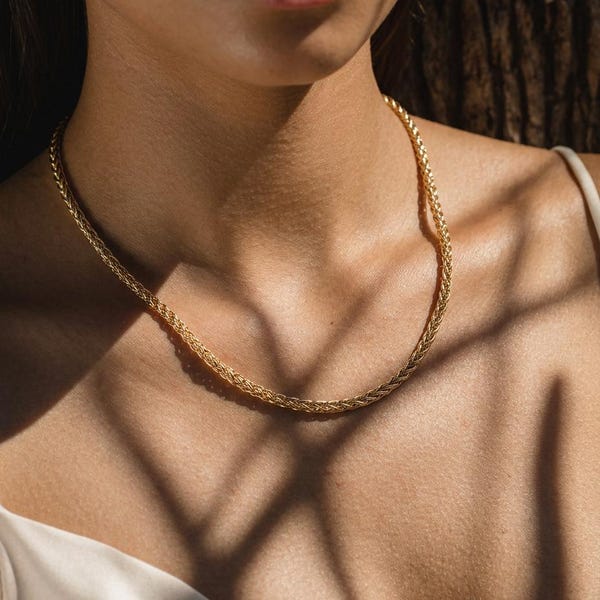 Wheat Chain Necklace
View Wheat Chain Necklace on Etsy
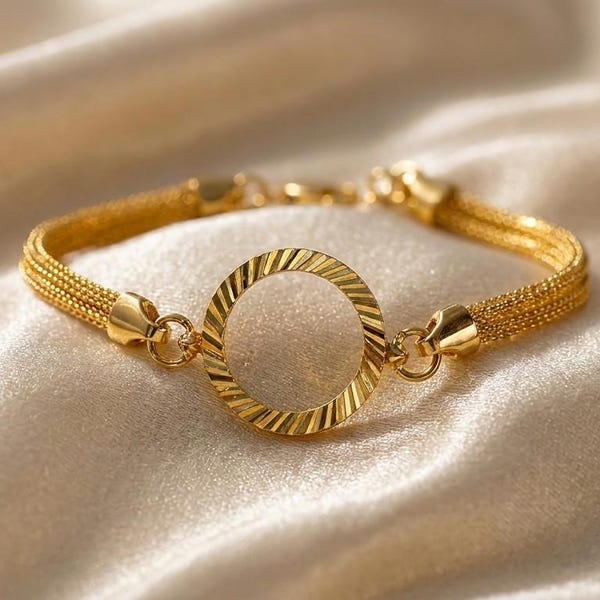 Multi Chain Bracelet
View Multi Chain Bracelet on Etsy
Pure 24K gold is too soft for most jewelry that you wear every day. Goldsmiths mix it with other metals to make it harder and to control its color. Yellow gold, rose gold and white gold are all different recipes of the same idea.
Getting the alloy right is a craft decision. Too soft and a ring bends; too hard and a chain becomes brittle at the links. 14K sits in a sweet spot: rich enough in gold to look warm and resist tarnish, hard enough to survive daily life. Scrap value ignores all of this, but you feel it every time a clasp still closes firmly after years of wear.
Labor is the largest layer most people never see. Depending on the piece, goldsmiths typically:
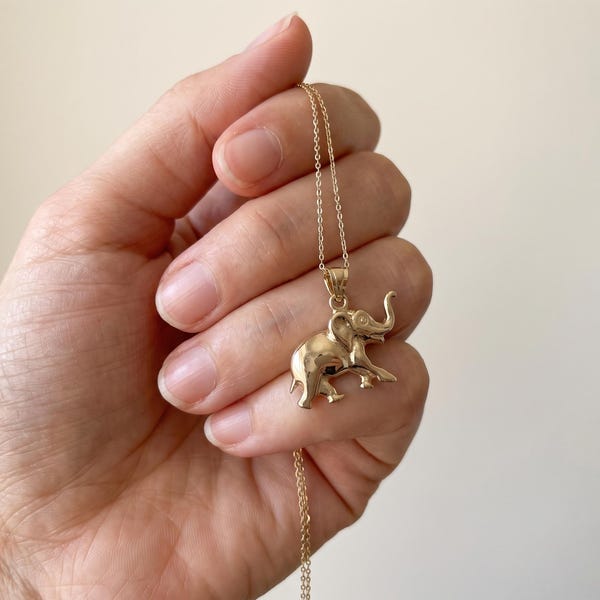
A sculpted pendant like a 3D elephant takes a mold, a casting, and careful hand cleanup in every curve. A chain with hundreds of links needs each link formed and joined consistently, or it will kink and break.
Finishing is what turns a rough casting into something you want to wear. It includes polishing to a mirror shine, adding brushed or textured areas, and cutting small facets into the metal so it catches light. That last technique is called diamond-cut: it is a metal finish, not diamonds.
Finishing also includes the checks a buyer never notices: making sure there are no sharp edges, that the 585 stamp is present, that clasps work smoothly and that stones sit level. In workshops like ours, a piece is handled many times before it is boxed.
Most of our pieces use cubic zirconia, and we say so plainly on every listing. Some use natural stones such as amethyst or blue topaz, and those listings say so too. Either way, stones add two kinds of value: the stone itself, and the skill of setting it.
Setting is precise work. Prongs must hold firmly without crowding the stone; pave stones must sit evenly so the surface looks smooth. When jewelry goes for scrap, stones are usually removed and given little or no value, and all that setting work disappears. If you are comparing stones, remember that CZ and diamond are different materials, and an honest seller always names which one you are getting.
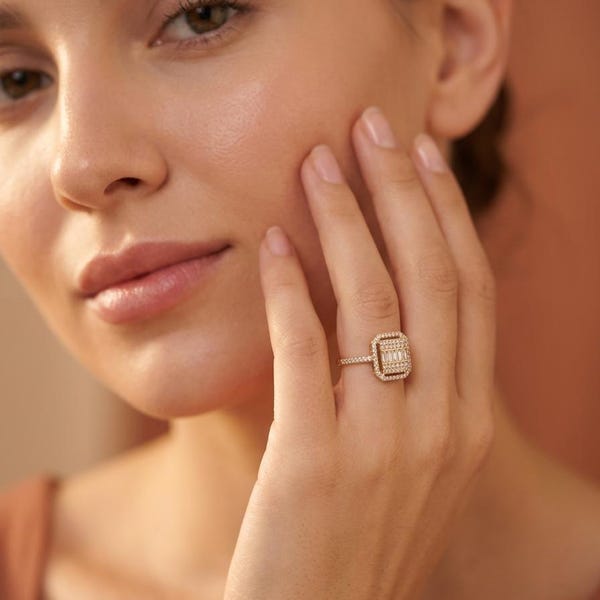 Baguette Emerald Cut Halo Ring
View Baguette Emerald Cut Halo Ring on Etsy
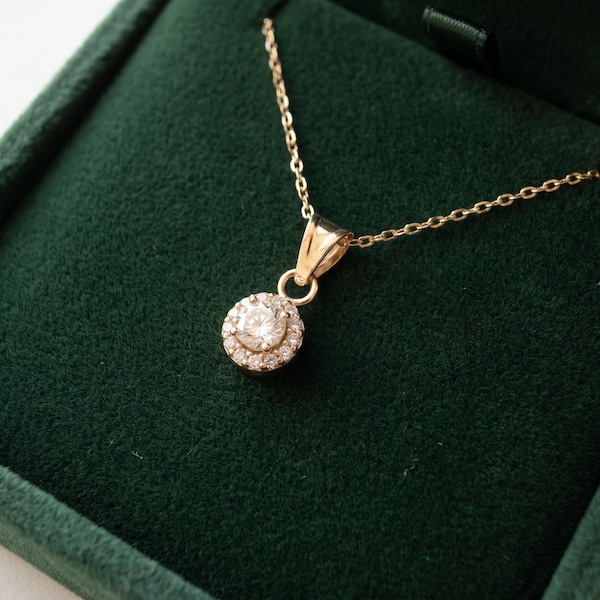 Halo Pendant Necklace
View Halo Pendant Necklace on Etsy
Because no one should mention gold prices in a guide like this, we will not. Instead, here are the questions that tell you whether you are paying for real material and real work:
Every Şerif Ağa piece is solid 14K gold stamped 585, comes with a lifetime guarantee on craftsmanship, and arrives in an illuminated jewelry box. Our owner, Şerif Temizkan, answers messages personally if you want to ask about a specific piece. You can browse our gold necklaces or gold bracelets to see how each listing describes weight, karat and stones.
A gold buyer pays only for the pure gold content, minus what refining costs. The design, labor, finishing and stones you paid for are not recovered when gold is melted down.
Heavier usually means more gold and more durability, but quality also depends on clean finishing, secure stone settings and a well-made clasp. Weight is one part of the picture, not all of it.
No. Gold value only measures the gold. Cubic zirconia adds sparkle and design value to the finished piece, and we always label it as CZ, never as diamond.
Yes. 14K gold is 58.5% pure gold, hard enough for daily wear and resistant to tarnish.
Diamond-cut means small facets have been cut into the metal surface so it reflects more light. It is a finishing technique on the gold itself and does not involve diamonds.
Share:
Paperclip chain guide from Grand Bazaar goldsmiths: how the long links are made, how strong they are, tangle risk, styling ideas and simple care tips.
Yellow, white and rose gold guide: how 14K alloys create each color, what rhodium on white gold really is, choosing by preference, and caring for two…
Gold cross necklace guide: the difference between a cross and a crucifix, what INRI means, choosing size and chain, two-tone styles and sacrament gif…