Gold Signet Ring Guide: History, Styles, Sizing and How to Wear One
Gold signet ring guide from third-generation goldsmiths: history, face shapes, engraving, which finger to wear it on and how to care for solid gold.

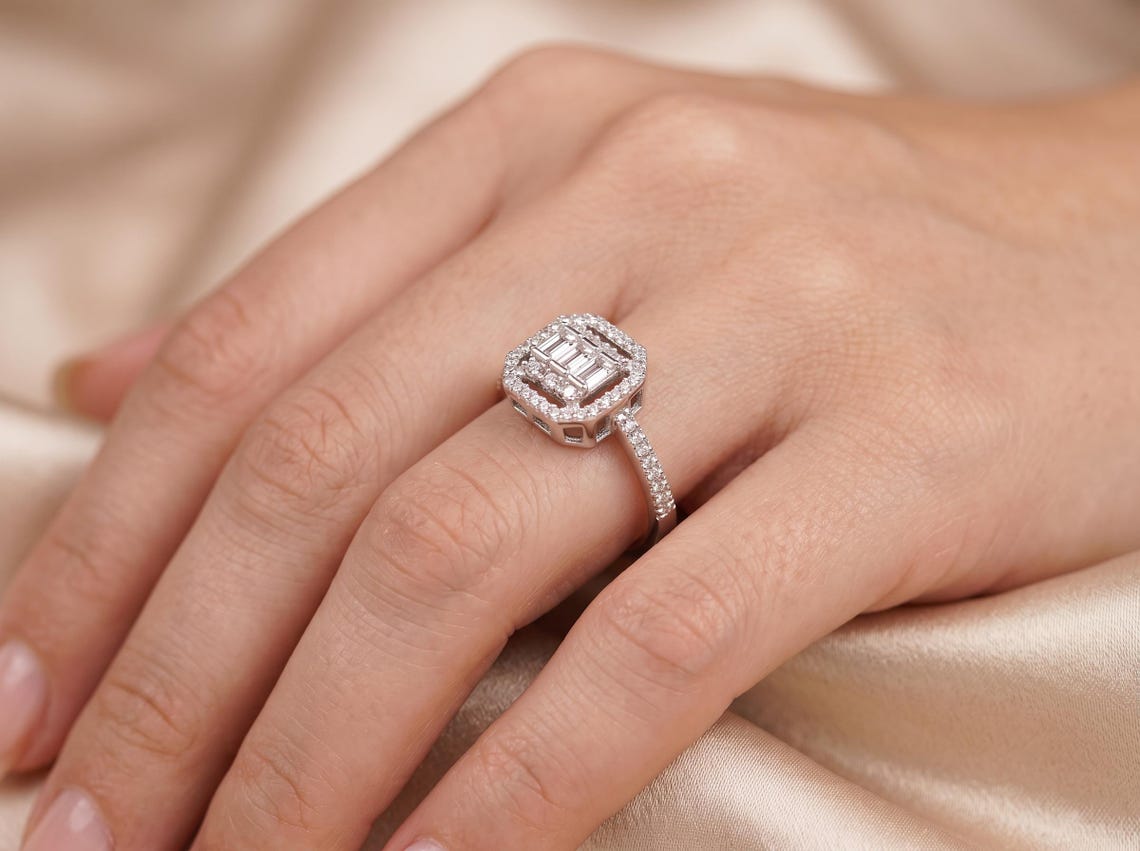
White gold is real gold mixed with white metals such as palladium, silver or nickel, and it is usually finished with a thin layer of rhodium for a bright, mirror-white shine. Underneath that finish, 14K white gold has a soft gray-white tone, and the rhodium layer can wear over time and be renewed by a jeweler.
That rhodium finish is the part many sellers skip over, so we will explain it honestly. White gold is a durable, genuine 14K gold that suits people who love a cool, silver-like look without silver's tarnish. Here is what to expect.
Gold is naturally yellow. To make white gold, goldsmiths alloy pure gold with metals that bleach the color toward white. In 14K white gold, 58.5% of the metal is still pure gold, which is why it carries the same 585 stamp as yellow and rose 14K gold.
Because more than half the alloy is yellow gold, the result is not pure white. Depending on the recipe, uncoated 14K white gold looks pale gray, light champagne or faintly warm. That is perfectly normal and is not a sign of poor quality. For a full color comparison, see our yellow, white and rose gold guide.
Rhodium is a hard, bright white metal in the platinum family. Jewelers apply a very thin layer of it to white gold by electroplating. It does three things:
Rhodium plating on white gold is standard practice across the jewelry trade. It is a finish over solid gold, not a disguise for a base metal. That is very different from gold plating over brass or silver, where the layer is the only gold in the piece. Our guide to solid gold vs gold filled vs gold plated explains that distinction.
Rhodium is hard, but the layer is thin. With wear, it slowly rubs away, most noticeably on surfaces that touch things often. When that happens, the soft gray-white of the gold underneath starts to show.
| Type of piece | How fast rhodium shows wear | Why |
|---|---|---|
| Rings, especially bands | Fastest | Constant contact with hands, surfaces and other rings |
| Bracelets | Moderate | Rubs against desks, sleeves and watch straps |
| Pendants and necklaces | Slow | Little friction apart from the chain and clasp |
| Earrings | Slowest | Rarely touched once in place |
How quickly this happens depends on your habits, skin chemistry and how often you wear the piece. It is not damage. The gold itself is still solid 14K, and nothing has been lost except a microscopic surface layer.
Signs that the rhodium is wearing thin include a faint yellow or champagne tint on the inside of a ring, a patchy look where bright and soft areas meet, and a slightly warmer color than your other white gold pieces.
The fix is simple: any jeweler can clean the piece and re-apply rhodium, bringing back the bright white finish. Many people with white gold rings have them refreshed from time to time as part of normal care.
Yes. 14K white gold is hard enough for daily wear, and the white metals in the alloy often make it slightly harder than yellow gold of the same karat. It holds prongs and pave settings well, which is why so many bridal and stone-set pieces are made in white gold.
Like all 14K gold, it rarely tarnishes and can usually go in the shower. We still recommend taking it off for chlorinated pools, hot tubs and cleaning with harsh chemicals, as these can dull the rhodium finish faster. See our guide to showering with 14K gold.
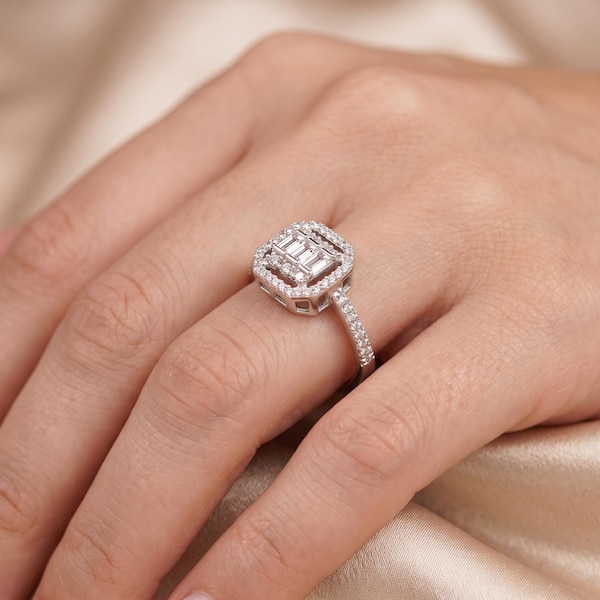 Baguette Halo Ring
View Baguette Halo Ring on Etsy
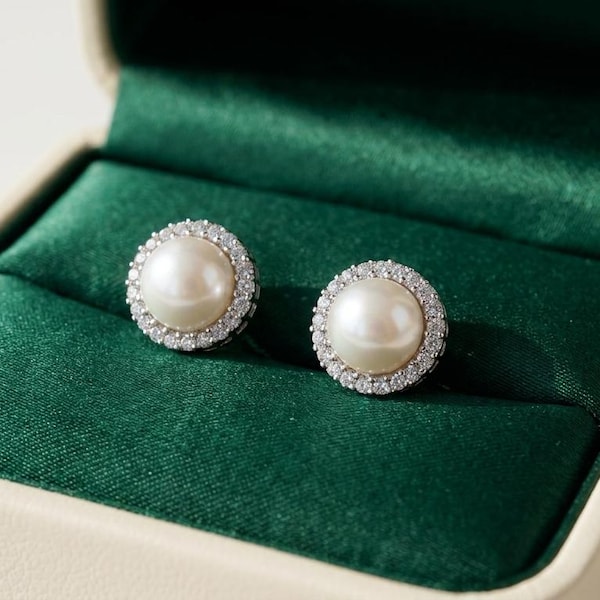 Pearl Halo Stud Earrings
View Pearl Halo Stud Earrings on Etsy
Some white gold alloys use nickel to whiten the gold, and nickel is the most common cause of metal allergies. Rhodium plating covers the alloy and acts as a barrier, so many people with mild sensitivity wear white gold comfortably while the finish is intact. If the rhodium wears thin, some sensitive wearers may notice irritation.
If you know you react to nickel, ask the seller about the alloy before buying, and consider refreshing the rhodium regularly. Our guide to gold jewelry for sensitive skin has more advice.
White gold sits between sterling silver and platinum in look and maintenance. Silver is bright white but tarnishes and is softer. Platinum is naturally white and very dense, but it is a different metal entirely. White gold gives you a white look with the warmth, hardness and tarnish resistance of 14K gold. For a fuller comparison with silver, see solid gold vs sterling silver.
White gold suits cool colors, crisp whites, black and navy. It makes freshwater pearls and clear CZ look especially bright, which is why it is popular for bridal jewelry. It also mixes easily with yellow gold, and two-tone pieces combine both in one design. Our two-tone gold jewelry guide has more ideas.
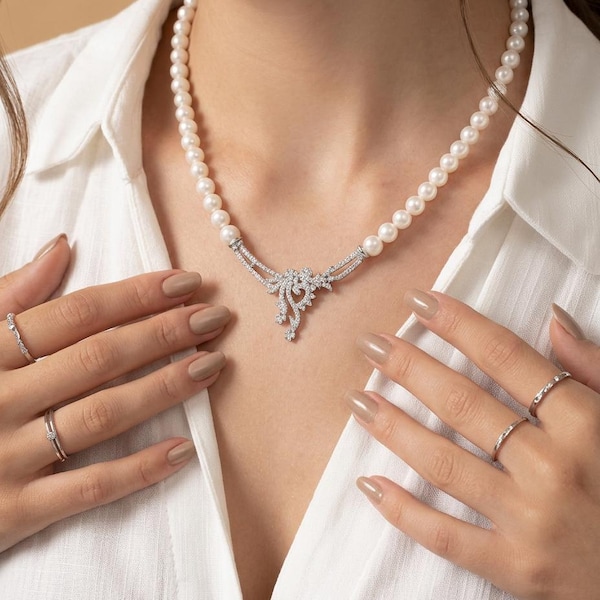 Freshwater Pearl Necklace
View Freshwater Pearl Necklace on Etsy
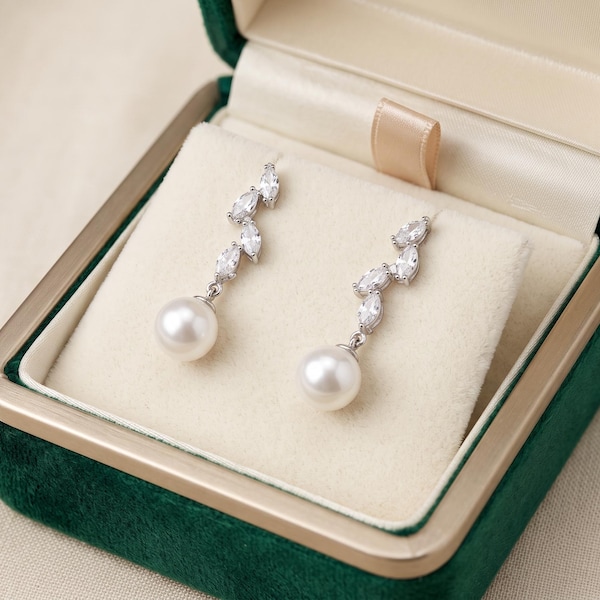 Marquise CZ Pearl Drop Earrings
View Marquise CZ Pearl Drop Earrings on Etsy
Our guide to cleaning gold jewelry at home walks through each step.
Every Şerif Ağa white gold piece is solid 14K gold stamped 585, with a lifetime guarantee on craftsmanship. Browse our gold earrings and pearl jewelry for white gold designs.
Yes. 14K white gold contains 58.5% pure gold, the same as 14K yellow gold, alloyed with white metals and usually finished with rhodium.
The rhodium finish has worn thin, letting the natural warm tone of the gold show through. A jeweler can clean and re-plate it to restore the bright white color.
It depends on the piece and how you wear it. Rings worn daily usually need it sooner, while earrings and pendants can go much longer.
No. Like other 14K gold, white gold rarely tarnishes. Any color change is usually the rhodium layer wearing, not tarnish.
Many people wear it comfortably, especially while the rhodium is intact. If you are allergic to nickel, ask about the alloy before buying.
Share:
Gold signet ring guide from third-generation goldsmiths: history, face shapes, engraving, which finger to wear it on and how to care for solid gold.
Our rose gold jewelry guide explains what makes gold pink, how 14K rose gold wears, who it suits and how to style and care for it. Read before you ch…
Curb chain guide from Grand Bazaar goldsmiths: how curb and Cuban links are made, why they are so durable, how to style them and how to keep them cle…